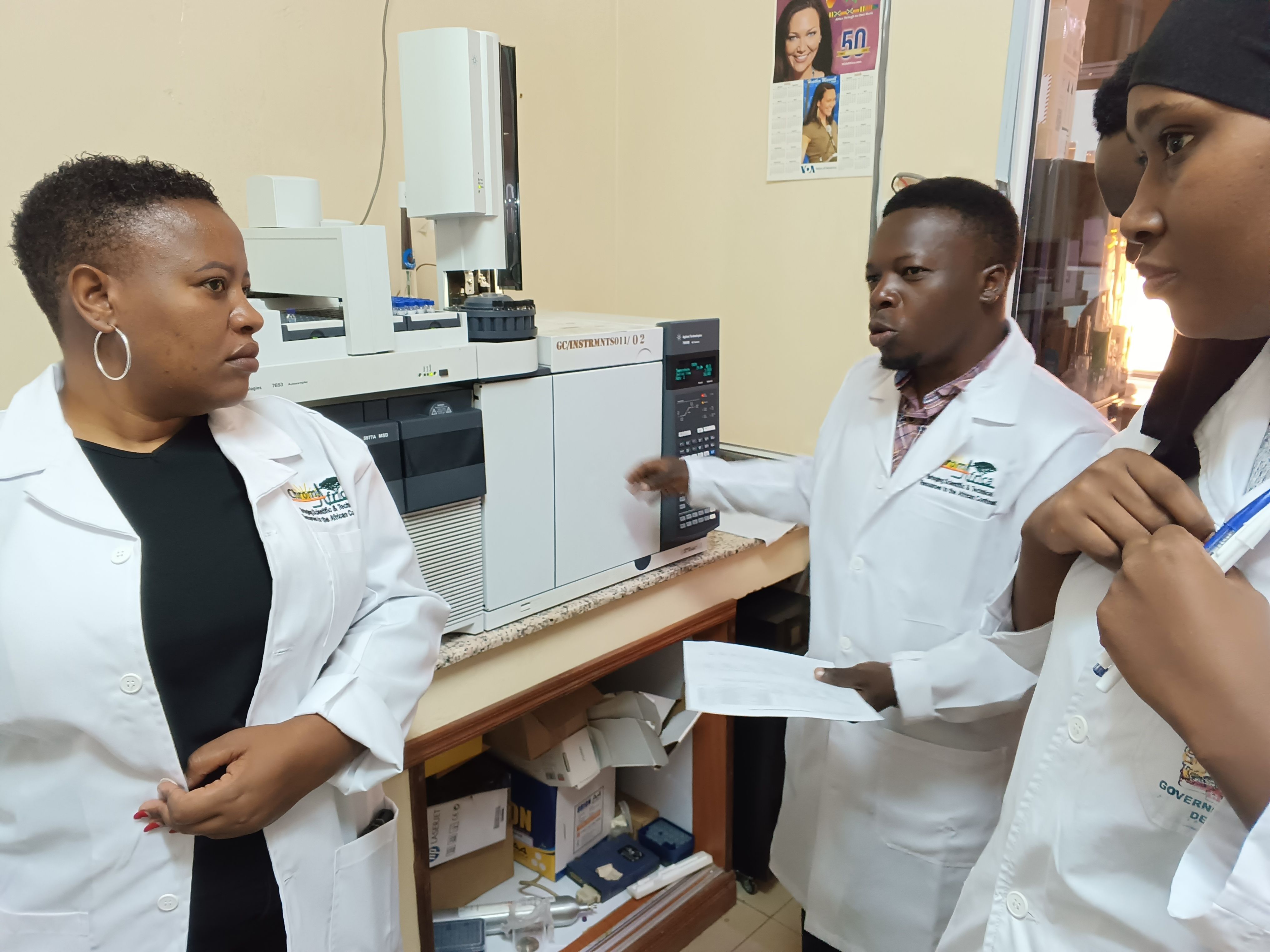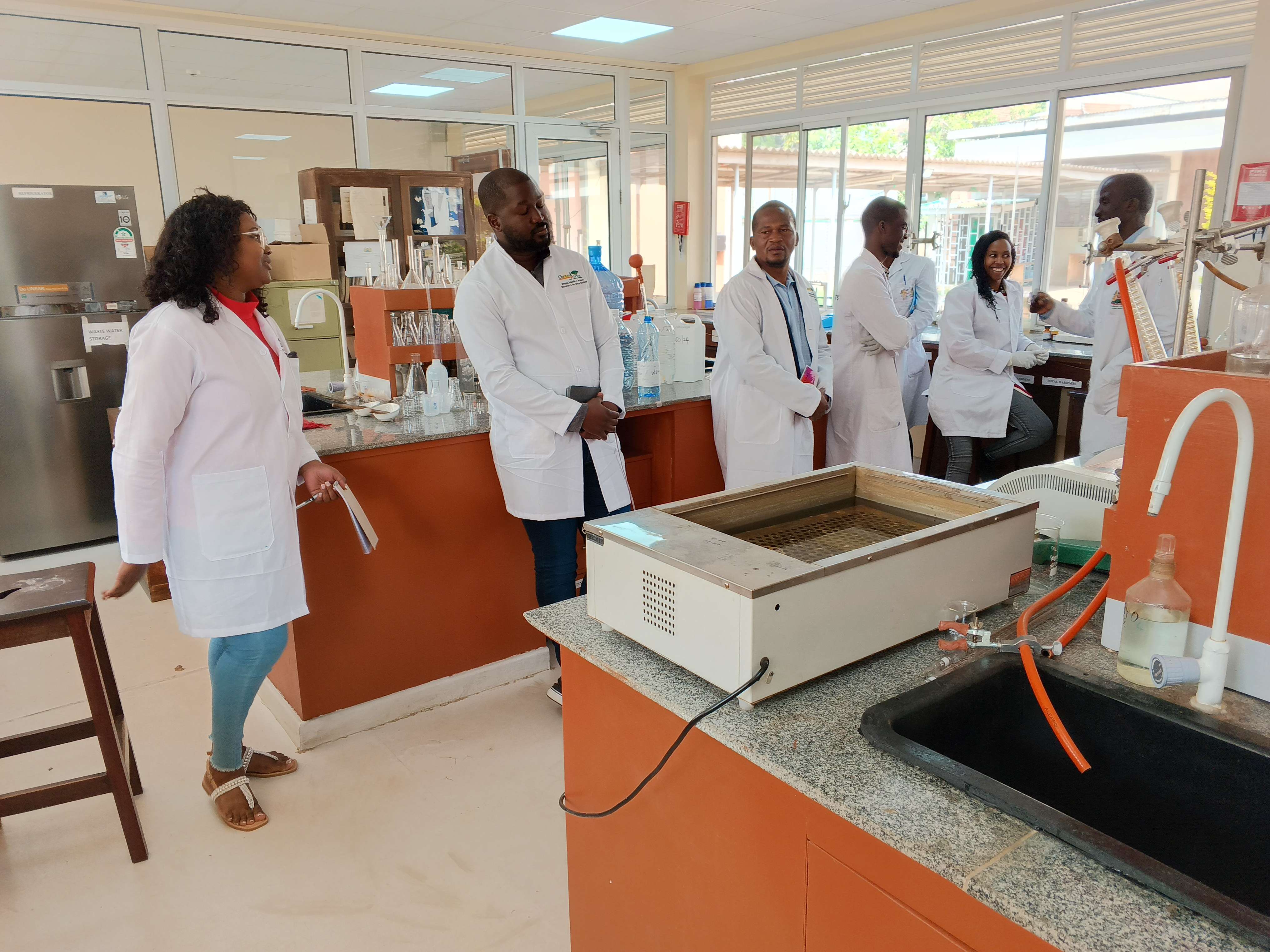
Course information
HPLC Troubleshooting and Maintenance
Every chromatographic problem has a physical, chemical, or mechanical cause — never a mystery.
Suggested level: Intermediate
Training format: Live online interactive workshop
Duration: 2.0 hours
Course Overview
HPLC troubleshooting is not simply about correcting visible chromatographic problems. Effective troubleshooting requires a systematic process for distinguishing instrument, method, sample, column, and detector-related causes and determining the appropriate corrective action.
This training develops a process-driven approach to HPLC troubleshooting, using real-world problem scenarios and chromatogram-based diagnosis. Participants learn how to define problems, isolate variables, verify root causes, optimize performance, and document corrective and preventive actions in an ISO/IEC 17025 environment.
Who Is This Course For?
This course is designed for:
Relatively new LC users, ideally following fundamental LC training
Analysts seeking systematic HPLC troubleshooting skills
Laboratory supervisors
Quality assurance personnel
Method developers
Prerequisites
Participants should have:
A basic understanding of HPLC instrumentation and chromatographic principles
Familiarity with system suitability parameters
Some practical HPLC experience is recommended, but not essential
What You Will Learn
By the end of the training, participants will be able to:
Diagnose HPLC system- and method-related problems using structured troubleshooting workflows
Identify root causes of pressure, baseline, peak-shape, and retention-time problems
Optimize chromatographic performance while maintaining method validity
Apply column regeneration and cleaning principles
Perform appropriate detector checks
Use chromatograms and performance trends to support troubleshooting
Document corrective actions and nonconforming work in accordance with ISO/IEC 17025
Apply preventive-maintenance and performance-monitoring principles
1. Role of Troubleshooting and Optimization in ISO/IEC 17025
The course begins by connecting HPLC troubleshooting with laboratory quality and data integrity.
Topics include:
Objectives of systematic troubleshooting
Data quality and prevention of invalid results
Cost reduction through effective root-cause analysis
ISO/IEC 17025 requirements relevant to:
Validity of results
Nonconforming work
Corrective actions
Technical competence
Mapping troubleshooting events to relevant quality practices
2. A Systematic Approach to HPLC Troubleshooting
Participants learn a structured workflow:
Define the problem
Develop a hypothesis
Isolate relevant variables
Verify the root cause
Implement corrective action
Establish preventive action
The course also addresses how to distinguish instrument-related problems from method-related problems using system suitability results, historical data, and performance trends.
Risk-based troubleshooting is covered, including decisions about when to stop analysis and when a problem may require revalidation.
3. Common HPLC Problems and Root Causes
Pressure-Related Problems
Explore causes of:
High back pressure
Sudden pressure spikes
Pressure fluctuations
Blocked frits
Contamination
Precipitation
Check-valve problems
Baseline Instability and Noise
Topics include:
Baseline drift
Periodic noise
Spike artifacts
Degassing problems
Lamp aging
Temperature fluctuations
Solvent incompatibility
Peak-Shape Problems
Investigate:
Peak tailing
Peak fronting
Split peaks
Broad peaks
Chemistry mismatch
Secondary interactions
Injection-solvent effects
Excessive dead volume
Retention-Time Variability
Examine causes of retention shifts, including:
Mobile-phase errors
Flow instability
Column aging
Temperature inconsistency
4. Sample-Related Troubleshooting
The course examines how sample-related factors can compromise HPLC performance.
Topics include:
Matrix interference
Co-elution
Baseline disturbances
Ion suppression in LC-MS
Carryover
Inconsistent injection volumes
Sample precipitation
Adsorption losses
Sample degradation
Contamination
A virtual sample-diagnosis case is included to demonstrate troubleshooting of sample-related problems.
5. Column-Related Troubleshooting
Learn how to assess and manage HPLC column performance through:
Theoretical plates (N)
Resolution
Symmetry factor
Column contamination and fouling
Strongly retained compounds
Protein and lipid contamination
Column regeneration and cleaning
Solvent selection
Flushing strategies
Column lifetime monitoring
Replacement criteria
Performance trending and documentation
6. Detector-Specific Troubleshooting
The training covers common issues associated with different detector types.
UV-Vis
Lamp degradation
Wavelength errors
Stray light
Fluorescence
Quenching
Loss of sensitivity
RID and ELSD
Temperature sensitivity
Flow sensitivity
Mobile-phase compatibility
LC-MS Interface
Source contamination
Signal instability
7. HPLC Method Optimization Principles
Participants examine the distinction between method optimization and method modification, including consideration of when changes may require revalidation.
Key parameters include:
Mobile-phase composition
pH
Buffer conditions
Flow rate
Temperature
Gradient conditions
Optimization approaches include:
One-factor-at-a-time experiments
Design of Experiments (DoE)
An online optimization scenario provides an opportunity to apply these principles.
8. System Suitability and Performance Verification
Learn how to establish and interpret performance criteria involving:
Resolution
Peak tailing
%RSD
System suitability failures
Root-cause analysis
Troubleshooting decision trees
Performance trending
Control charts
Early-warning indicators
Preventive maintenance
9. Documentation and ISO/IEC 17025 Compliance
Effective troubleshooting must be traceable and properly documented.
The course addresses:
Troubleshooting incident reports
Root-cause analysis records
CAPA documentation
Management of nonconforming work
Impact assessment
Re-analysis decisions
Client notification
Audit-readiness evidence
A technically correct troubleshooting decision is only part of the process; the investigation and corrective action must also be properly documented.
10. Practical Application
The online practical component uses virtual troubleshooting scenarios covering:
Pressure problems
Baseline problems
Peak-shape correction
Column-failure case studies
Method-optimization decisions
Troubleshooting simulations
11. Common Audit Findings Related to HPLC Troubleshooting
The course highlights recurring documentation and quality issues, including:
Undocumented method changes
Unjustified optimization steps
Re-analysis without documented root-cause investigation
Missing CAPA records
Participants leave with a structured framework for approaching HPLC problems rather than relying on trial-and-error adjustments. The training connects chromatographic diagnosis, method optimization, instrument performance, preventive maintenance, and ISO/IEC 17025 documentation into a practical troubleshooting workflow.